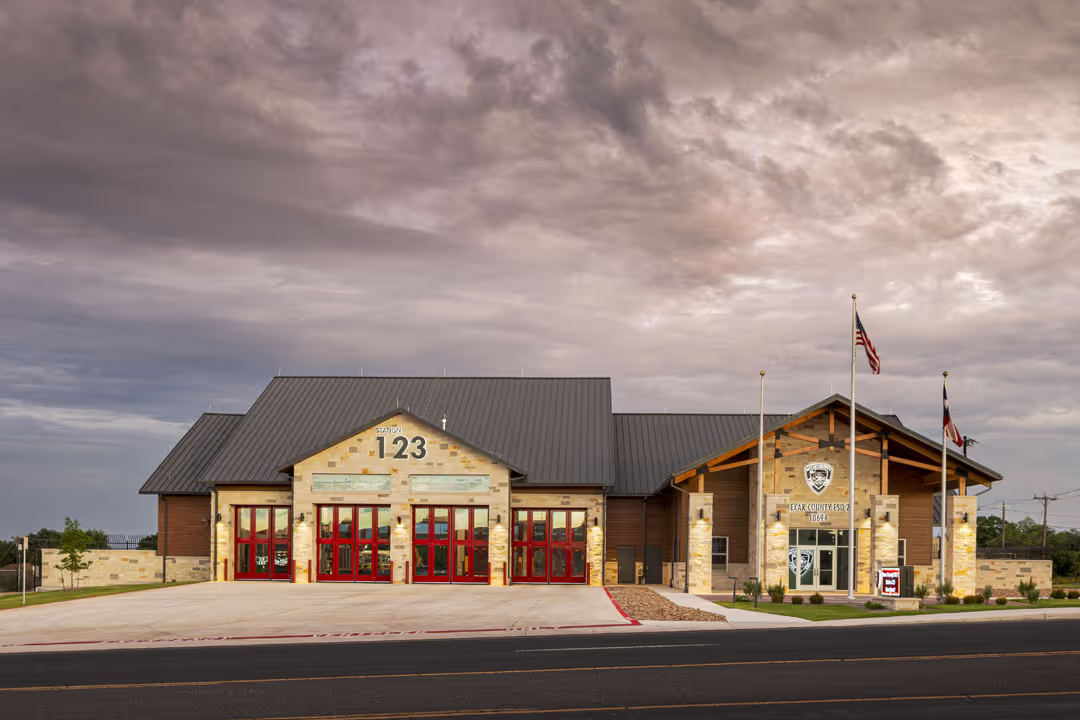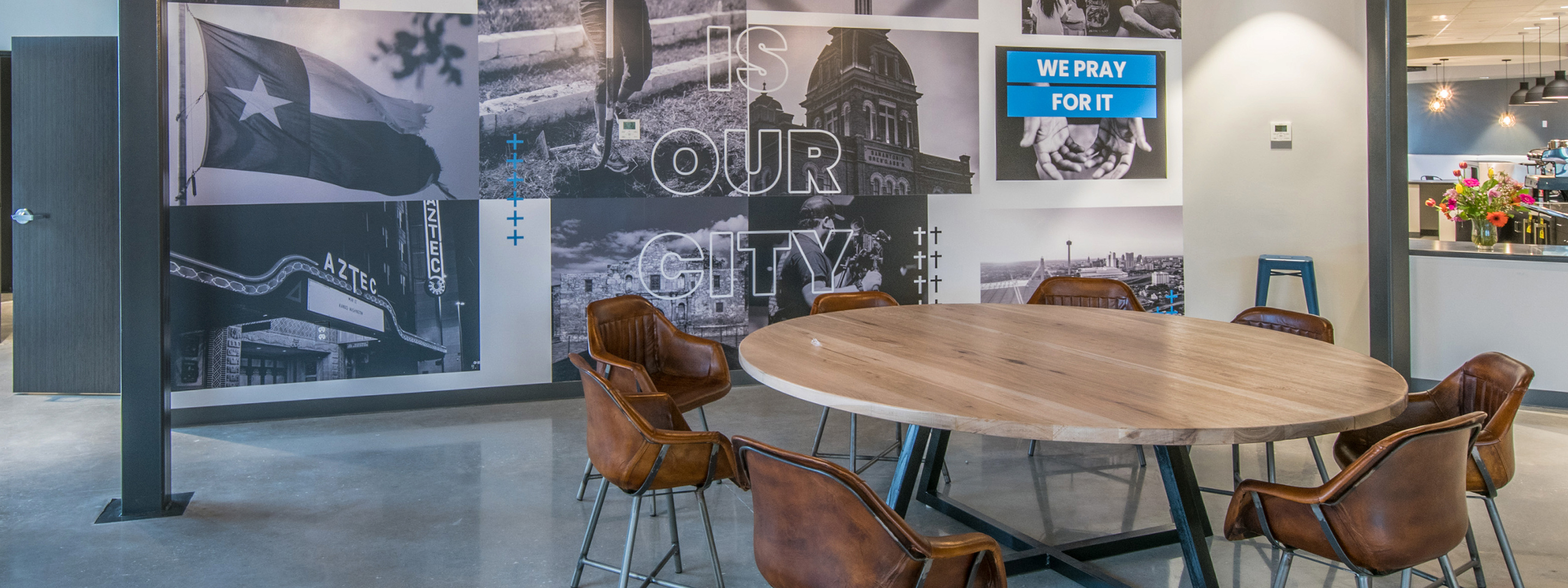
Design-Bid-Build is the oldest and simplest delivery method because of its linear approach. With Design-Bid-Build you hire an architect or design team who designs the project. Once the design is complete you bid the project out to a handful of contractors, pick the one you like, and they build your project.

The design team works with you to capture your vision, goals, and project requirements. Then, they begin designing your project. Like the other two delivery methods, they will progress through each of phase of design with input from you. However, at this point there is not a construction manager or general contractor on board. This means there are likely no budget or constructability checks.

Once the design is complete you put the project out to bid. General Contractors will review the plans and submit their proposals and qualifications. You review each proposal and make your selection based on price, reputation, and qualifications. It is important to note that in the past 3 years, design-bid-build projects have come in over budget 100% of the time. Typically between 10% - 30%.
.jpg)
The contractor you choose takes responsibility for constructing the project. That contractor will build the project for the price they bid as well as offer Value Engineering options if it is over budget. They will build the project according to the plans and schedule agreed upon.
Design-Bid-Build has some distinct benefits not found in the other two delivery methods. The first is that the linear approach, as indicated by the name, is a simple step-by-step approach. The separation of roles allow each member of the team to focus on their area of expertise. This also creates clear contractual relationships between the design team and the contractor. The goal is that a complete design will create clarity for the contractor.
You have a concept of your construction project and a budget, you even have an architect on board who has started design. At this point you are starting to feel like you are in over your head. The Construction Manager at Risk (CM at Risk) delivery method might be your solution. CM at Risk involves a construction manager, typically the general contractor responsible for building the project. They serve as your trusted advisor throughout the entire project, from start to finish. The "at risk" part of CM at Risk refers to our responsibility for managing project risks like cost, and schedule.
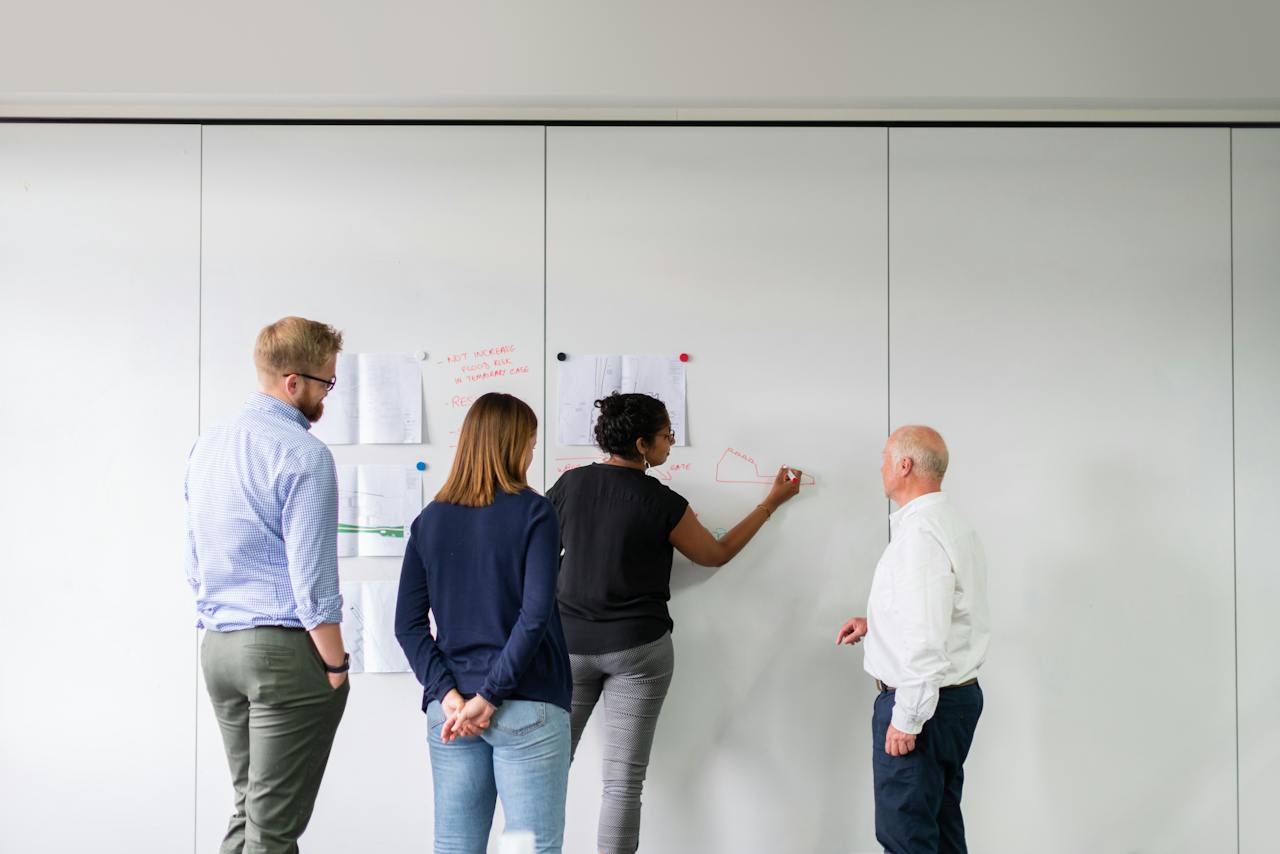
If you are just starting out, our team can help you identify your budget, an architect, and your goal for the project. Our professional team works with you and the design team to identify and communicate your vision, requirements, and goals. This simplifies the design process by providing clear objectives.
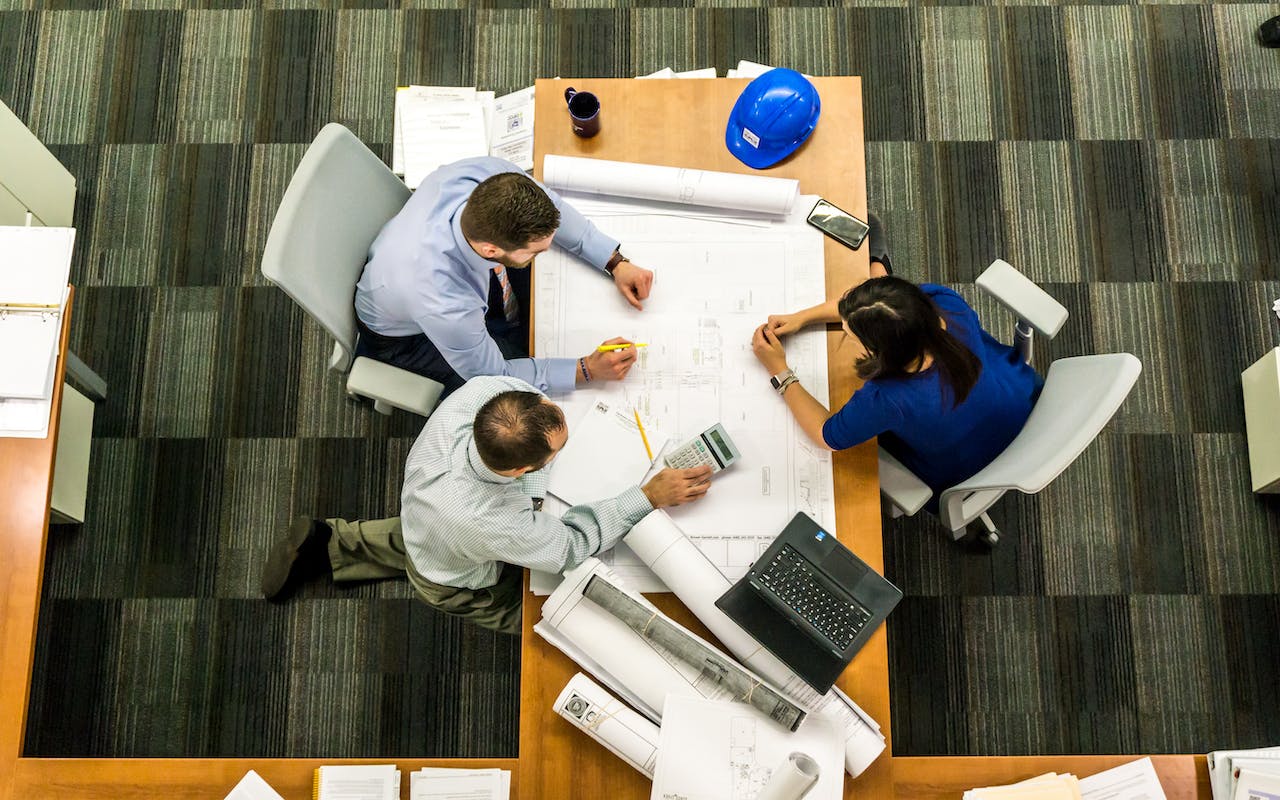
Throughout the design phase, our team reviews plans and offers suggestions for improvement. As the Construction Manager and General Contractor, we also provide cost estimates along the way. Constructability is at the forefront of our minds as well. A well-designed building is cost effective, efficient, and buildable.

Once the design is complete and the GMP agreed upon, our role transitions from "Construction Manager" to "General Contractor." We manage the subcontractors, procure materials, and coordinate the schedule. Ensuring the project runs smoothly and the final product meets your vision is our goal.
The similarities between CM at Risk and Design-Build continue in their shared benefits. Early collaboration between the owner, design team, and construction manager fosters collaboration. This collaboration results in streamlined decision making, efficient problem-solving, and risk mitigation. Because the construction manager provides estimates during design, you can make informed decisions based on the budget. The involvement of a construction expert throughout design helps ensure a high-quality end result. Finally, the CM at Risk method allows for greater flexibility during construction. Being involved from the beginning, our team is more adaptable to the unknown and can make real-time adjustments. This means we can find solutions without disrupting or halting the project's progress.
So you have a construction project in mind. Maybe it's a renovation, expansion, new building, or an entire campus for your church. Maybe you have a budget in mind, maybe not. That's ok. With the Design-Build delivery method you can hire a single firm who will guide you through the entire project. Instead of separate design and construction teams, the Design-Build firm takes responsibility for both design and construction of your project. This sets you up for a streamlined experience with a single firm/contract.

With design-build, we kick-off the process by discussing your vision, requirements, and goals. You will work closely with our construction experts, the architect, and engineers to bring your concept to life. The team will gather your wants and needs and carry them into the design phase.
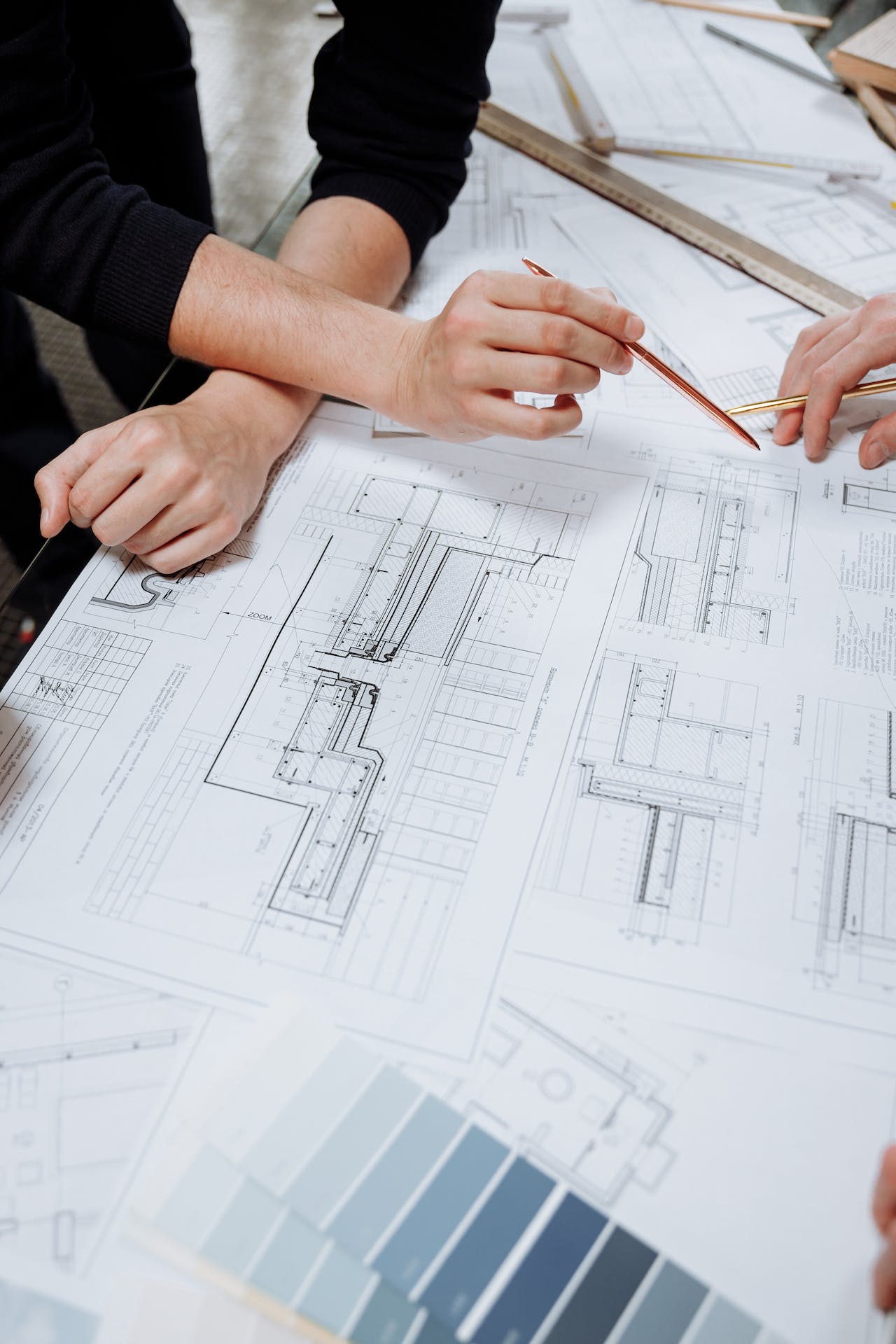
Our team leads the architect and engineers throughout design to create a detailed plan for your project. We consider layout, aesthetics, functionality, and energy efficiency throughout each phase of design. We also take care of obtaining permits and complying with building codes, so you don't have to.
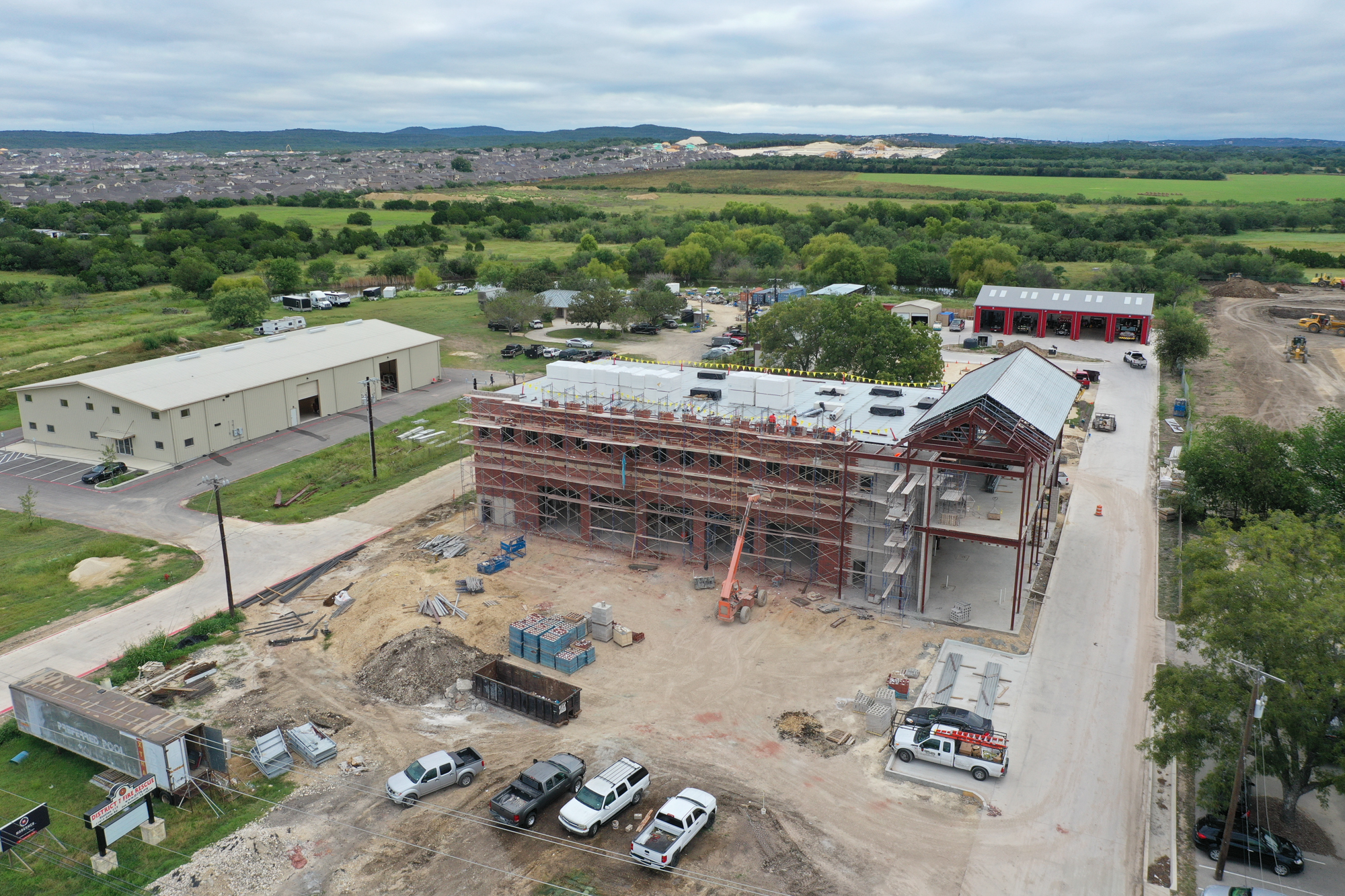
Once the design team finalizes the design, our team, will handle the actual building of the project. We manage the entire process from coordinating trades and procuring materials to managing the schedule.
The benefits of this approach are a simplified construction process, time and cost efficiencies, and collaborative problem-solving. With a single entity responsible for design and construction, communication is more streamlined. This prevents misunderstandings or delays that happen with separate design and construction teams. It also saves time because the design and construction phases can overlap. This efficiency often leads to faster project completion and reduced costs. Because a single firm handles the entire project, the team can identify and solve issues without the need to involve multiple parties. This flexibility fosters collaboration and contributes to a smoother construction process.
11550 W. Interstate 10, Suite 375
San Antonio, Texas 78230
(210) 858-3125